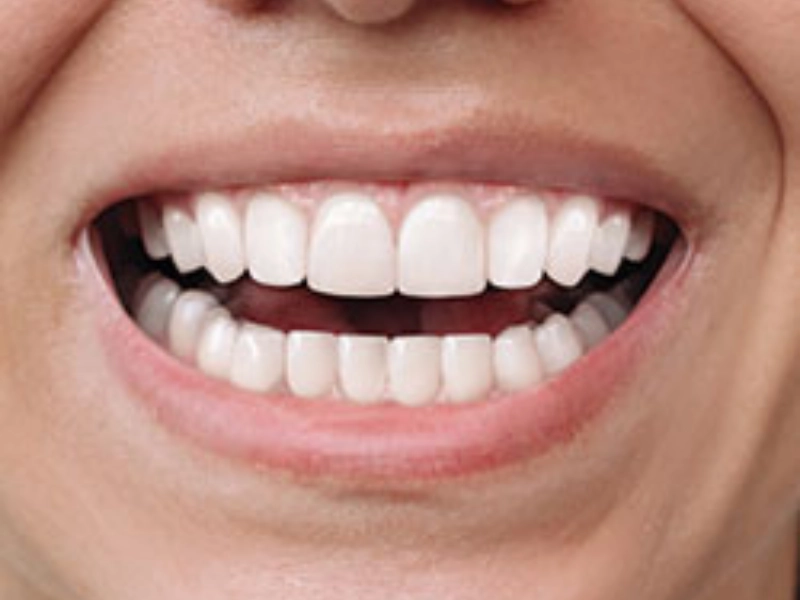
Aesthetic Spacing Solutions for Working Professionals
A clinical overview of how multiple spacing issues were fully resolved in under 9 months using customized alignment protocols.
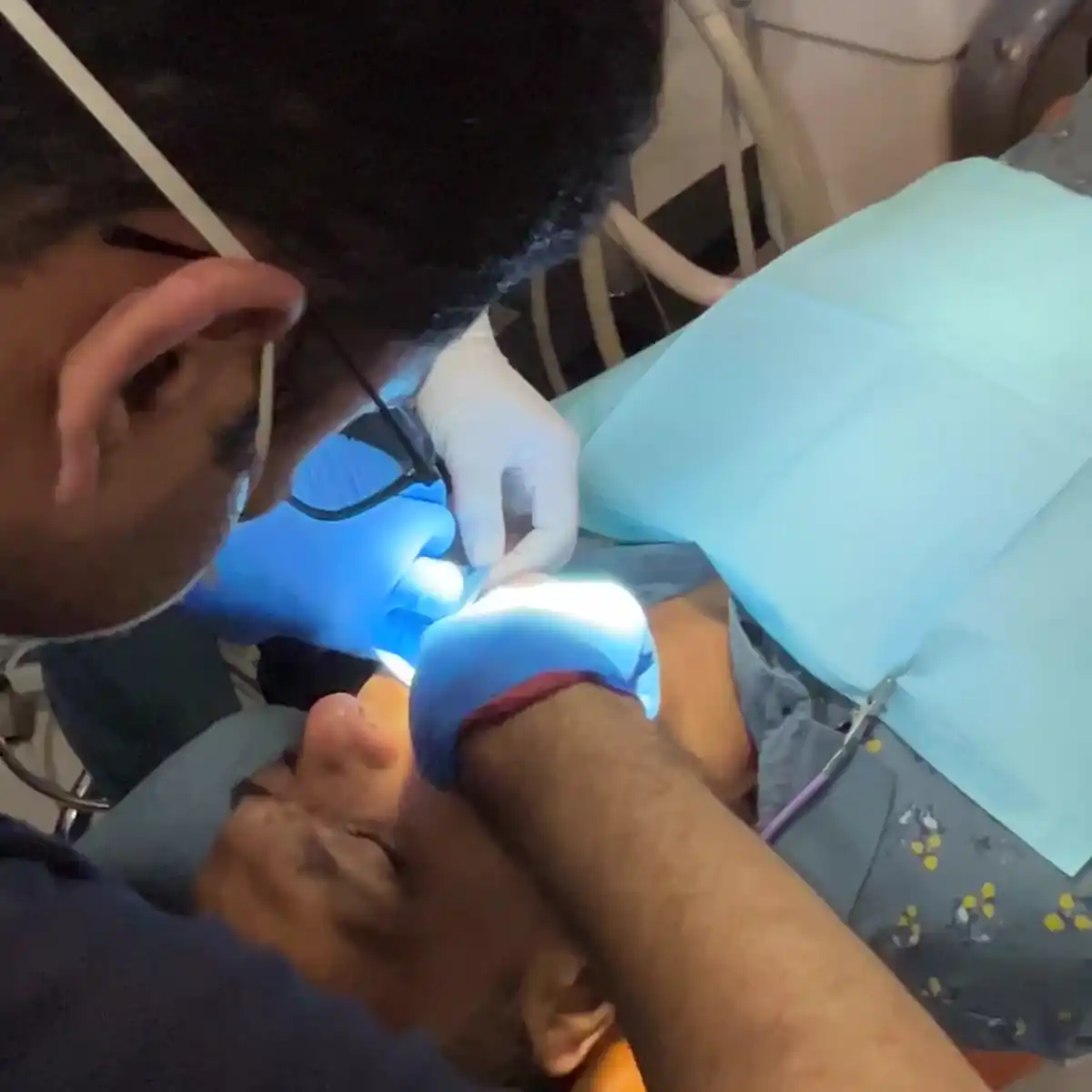
Clinical Documentation: Aesthetic Spacing Solutions for Working Professionals
The Challenge of Generalized Spacing
While a single midline gap is a common concern, many patients present with "generalized spacing"—small gaps distributed across the entire upper and lower arches. This often results in a smile that looks "fragmented" and can cause significant functional issues, such as speech impediments and constant food impaction between teeth.
In this case, a Bilaspur-based professional sought a solution that would not only close the gaps but also harmonize the proportions of their teeth for a more unified, aesthetic appearance.
The Clinical Approach: Harmonizing the Arch
Closing multiple spaces requires a "Global Alignment" strategy. If you simply pull the front teeth together, you risk creating even larger gaps further back in the mouth. Our treatment plan focused on:
1. Simultaneous Closure: Moving all teeth toward the center of the arch at the same time using low-friction aesthetic brackets.
2. Anchor Management: Ensuring the back molars remained stable to serve as the foundation for the front-end movement.
3. Proportional Balancing: Making sure the final positions of the teeth were symmetrical and aligned with the patient's facial midline.
The Patient's Perspective
Speed and discretion were the two most important factors for this patient. They shared their thoughts on the 9-month journey:
"I always thought that fixing multiple gaps would take years. When the specialists at 32 Intact told me we could achieve a solid result in under a year, I was skeptical. But by month four, the biggest gaps were already gone. The aesthetic ceramic braces were so subtle that most people didn't even notice I had them on unless I pointed them out." — Verified Patient
Results: Stability and Aesthetics
The treatment was completed in 8.5 months. By closing the gaps, we not only improved the patient's smile but also eliminated the "food traps" that were contributing to gum sensitivity.
To ensure the spaces do not reopen, we utilized a combination of fixed and removable retainers. This dual-retention strategy is critical for spacing cases, as teeth with a history of gaps are naturally more prone to shifting back to their original positions.