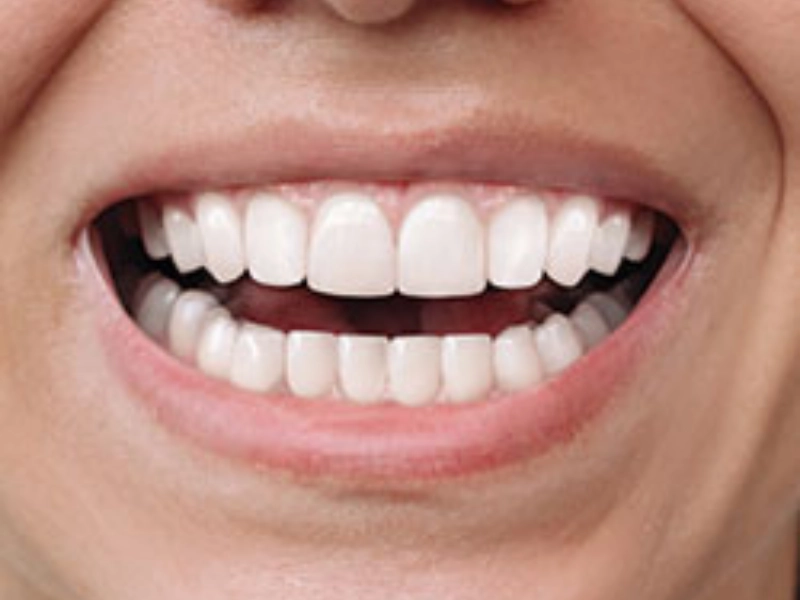
From Traditional Dentures to Fixed Implant Bridges
A transformative case for a patient who regained full biting power and confidence by replacing a loose upper denture with a stable, implant-supported bridge.
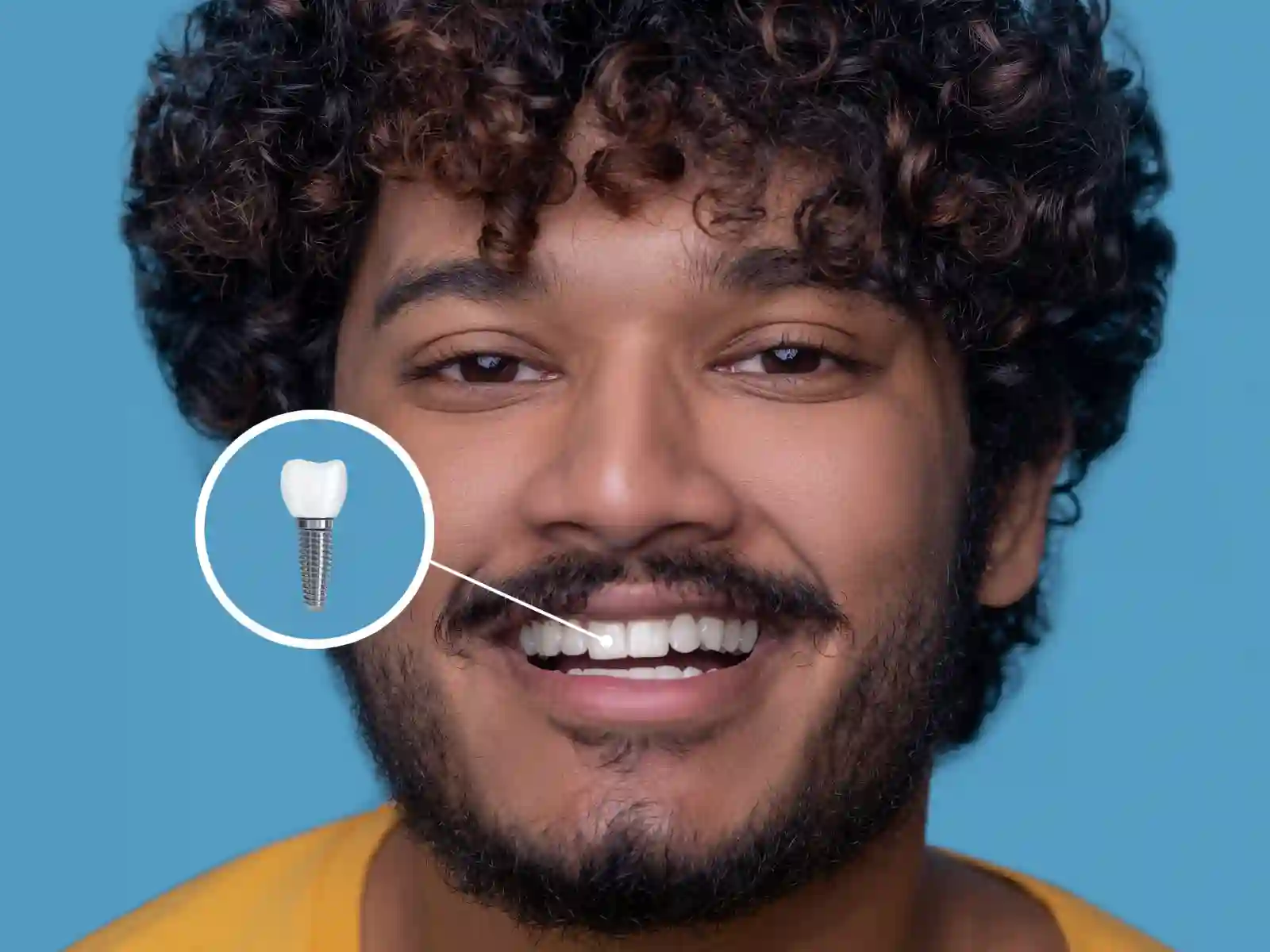
Clinical Documentation: From Traditional Dentures to Fixed Implant Bridges
The Limitation of Traditional Dentures
While traditional removable dentures have been the standard for decades, they come with significant drawbacks. Patients often complain about "slippage" while speaking, the inability to eat hard or crunchy foods, and the messy requirement of daily adhesives. Over time, dentures can also lead to bone loss in the jaw, as there are no tooth roots to stimulate the bone.
In this case, a 55-year-old patient from Bilaspur sought a permanent alternative to their upper denture, which had become increasingly loose and uncomfortable over the years.
The Clinical Transition: The Fixed Bridge Solution
To provide the patient with a "fixed" (non-removable) solution, we utilized a multi-implant strategy. This involves placing 4 to 6 strategic implants across the arch to serve as a solid foundation for a full bridge.
1. Digital Site Planning: Using high-resolution scans, we identified the areas of highest bone density to ensure the implants would have maximum stability without the need for extensive bone grafting.
2. Implant Integration: Premium titanium implants were placed. These act as anchors that eventually fuse with the jawbone—a process called osseointegration.
3. The Fixed Bridge: A custom-engineered bridge was then screwed into the implants. Unlike a denture, this bridge does not cover the palate (the roof of the mouth), allowing the patient to taste food better and speak more naturally.
The Patient's Perspective
The shift from a removable appliance to a fixed set of teeth is often described as "getting your life back." Our patient shared their experience:
"I had stopped going out for dinners because I was always worried my denture would slip while I was eating or talking. The 'Fixed Bridge' changed everything. It feels like my natural teeth used to feel. I can eat apples, nuts, and steak again without even thinking about it. The best part is not having to take them out at night in a glass—they stay in my mouth, and I just brush them like normal teeth." — Verified Patient
Long-term Impact: Bone Health and Confidence
By replacing the denture with an implant-supported bridge, we have effectively stopped the cycle of bone resorption. The implants provide the necessary stimulation to the jawbone, maintaining the patient's facial structure and preventing the "sunken" look often associated with long-term denture wear.
This case highlights how modern implantology can restore not just a smile, but the fundamental quality of life for patients who have suffered from tooth loss.