Endodontic Retreatment: Correcting Failed Prior Root Canals
Many patients come to our Bilaspur clinic with pain from previous treatments. We explain how locating missed canals provides instant, lasting relief.
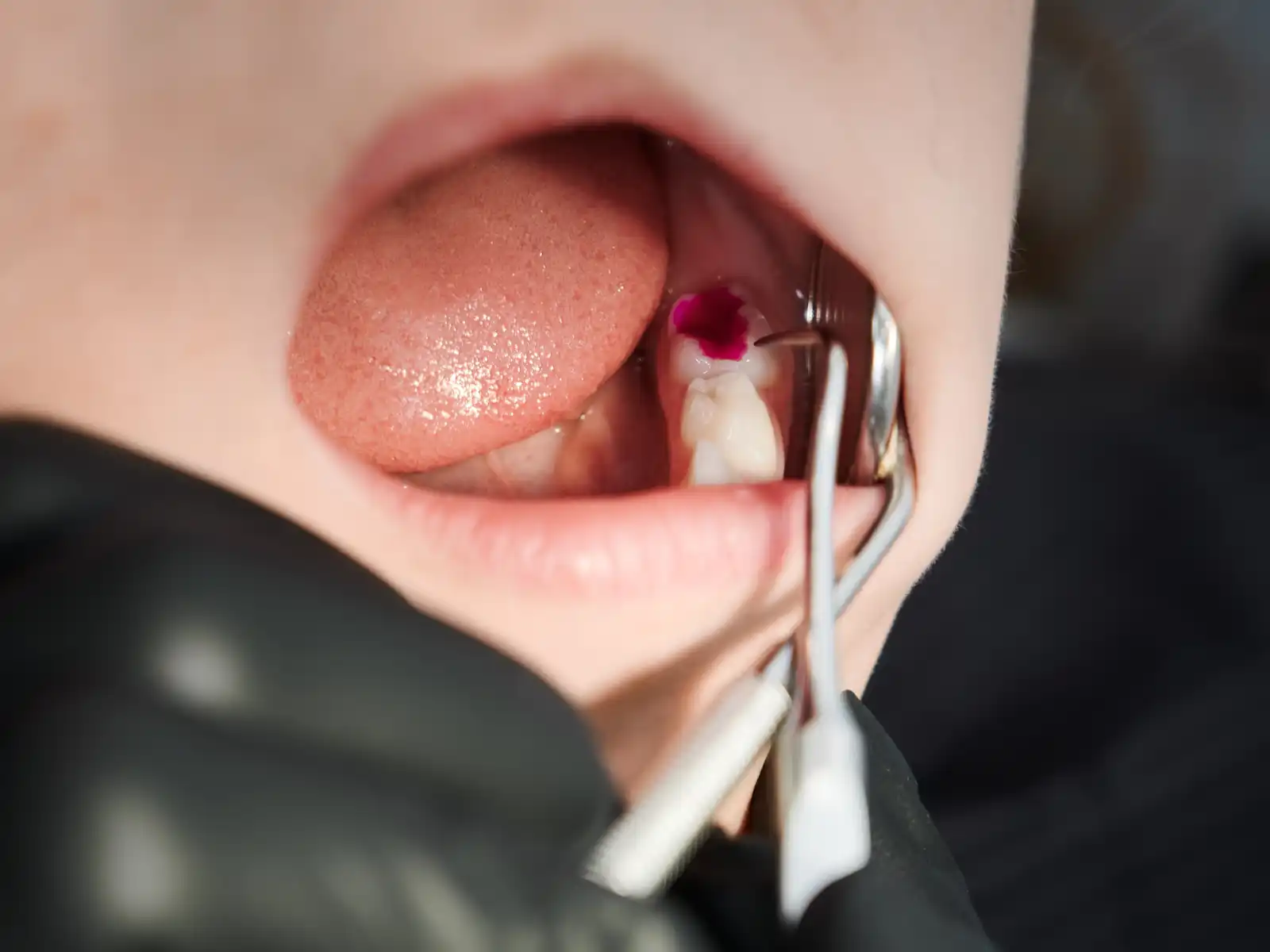
Clinical Documentation: Endodontic Retreatment: Correcting Failed Prior Root Canals
When a Root Canal Fails
It is a common misconception that if a tooth still hurts after a root canal, the only remaining option is extraction. Root canals typically fail for three reasons: complicated canal anatomy that went undetected, a delayed placement of the crown leading to new infection, or an incomplete seal during the first procedure.
At 32 Intact, we specialize in Endodontic Retreatment. This process involves "re-opening" the tooth, removing the old filling material, and using microscopic visualization to fix the underlying issue.
The Retreatment Protocol: A Second Chance for Your Tooth
Retreatment is more technically demanding than an initial root canal because it requires navigating around previous dental materials.
1. Gutta-Percha Removal: We carefully remove the old filling material using specialized solvents and microscopic instruments.
2. Identifying the "Missed" Canal: Most failures occur because a tiny fourth or fifth canal was missed the first time. The microscope allows us to find these hidden reservoirs of bacteria.
3. Micro-Disinfection: Once the canals are clear, we use enhanced chemical irrigation to ensure the entire root system is sterile before re-sealing.
The Patient's Perspective
The frustration of a "failed" dental procedure is significant. Our patient shared their experience of finally finding relief:
"I had a root canal done two years ago at a different clinic, but the tooth never felt quite right. Eventually, the pain became unbearable. I was told the tooth had to come out. At 32 Intact, they showed me on the big screen—using their microscope—exactly where the old treatment had stopped short. They fixed it in two visits, and for the first time in years, I can chew on that side of my mouth without a second thought. I wish I had come here first." — Verified Patient
Results: Saving the "Unsaveable"
By choosing retreatment over extraction, the patient was able to keep their natural tooth, avoiding the need for an implant or bridge. The follow-up X-rays showed the bone infection had completely cleared, and the tooth was restored to full function with a new, precision-fit crown.
Retreatment is a testament to the fact that with the right tools—specifically the dental operating microscope—we can give "failing" teeth a second lease on life.