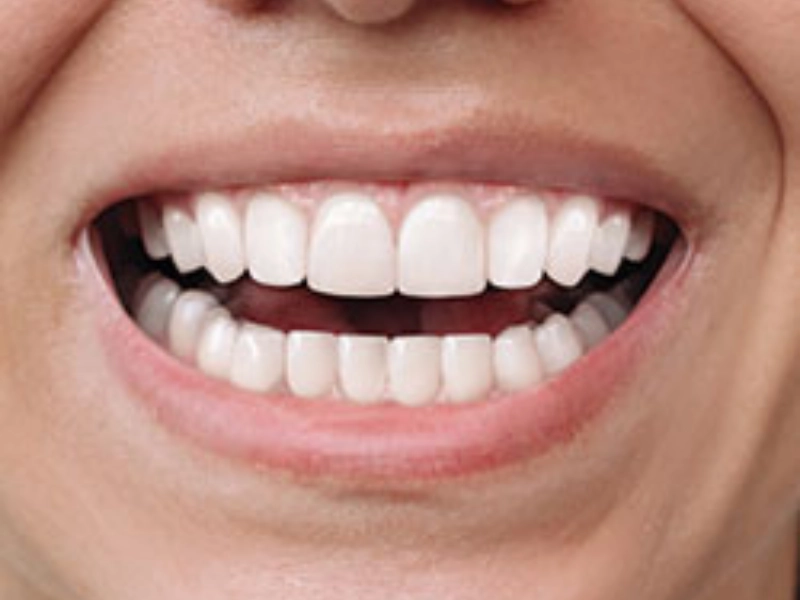
Teen Orthodontics: Correcting Deep Bites for Lifelong Health
Beyond aesthetics, correcting a deep bite prevents tooth wear and jaw pain. See how we aligned this teen patient’s smile in 18 months.
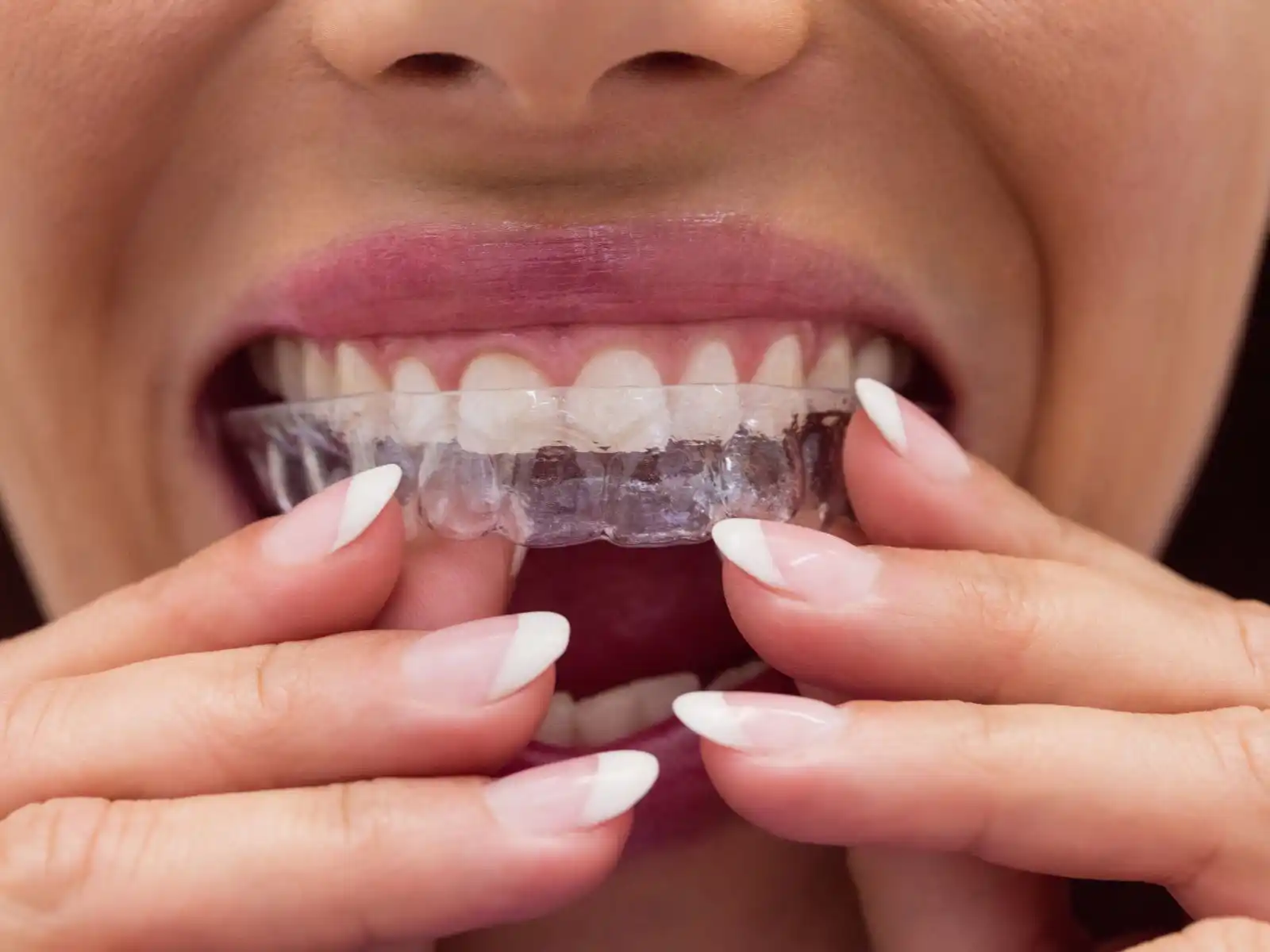
Clinical Documentation: Teen Orthodontics: Correcting Deep Bites for Lifelong Health
Why Teen Orthodontics Matters
Adolescence is the "Golden Window" for orthodontic treatment. Because the jaw is still growing and developing, we can guide the alignment of the teeth and the relationship between the upper and lower jaws much more effectively than we can in adulthood.
In this case, a 14-year-old patient presented with a Deep Bite—a condition where the upper front teeth almost completely overlap the lower teeth, sometimes even causing the lower teeth to bite into the roof of the mouth.
The Clinical Focus: Bite Leveling
Correcting a deep bite isn't just about straightening the front row; it's about "leveling the curve" of the dental arch.
1. Intrusion of Incisors: Gently pushing the front teeth into the jawbone while "extruding" or lifting the back teeth.
2. Growth Guidance: Using the patient's natural growth spurts to help the lower jaw move into a more forward, healthy position.
3. Prevention of Wear: By fixing the bite now, we prevent the patient from grinding down their lower teeth as they enter their 20s and 30s.
The Parent & Patient Perspective
For many teens, the social aspect of braces is the biggest hurdle. We worked closely with the family to ensure the process was a positive one.
"We were worried about our son's bite because his lower teeth were starting to hurt the roof of his mouth. He was nervous about getting braces in high school, but the team at 32 Intact made him feel like part of the process. The change in his jawline and the way his teeth fit together now is incredible. He’s much more confident, and we’re relieved that his teeth are protected for the future." — Parent of Patient
Results: A Functional Foundation
After 18 months, the deep bite was corrected to a healthy 2mm overlap. This functional "re-leveling" means the patient’s jaw joints (TMJ) are under less stress, and the teeth are now in a position that is much easier to keep clean and healthy.
Correcting these issues during the teenage years is an investment that pays off for a lifetime, preventing complex restorative work in the future.